


DIY Home Decor for the modern Home
DIY HOME DECOR FOR THE MODERN HOME
Laying out the foundation plan of a room`s décor can work psychological magic - it`s an easy way to make a dark room lighter, a small room look bigger, or a big cold, impersonal one seem warm and cosy.
So you might be asking, “how can I make my house look elegant?” or “how do I improve my interior spaces?”
There are many ways in which to give a room a makeover by simply utilising existing elements or sparingly adding new ones – all without breaking the bank. Of course, if you have a large enough budget the sheer volume of decor style choices can be simply overwhelming.
In a previous article we looked at the basic design principles and gave you some insightful advice on how to advance your interior planning. You can read it by clicking the link below:
DESIGNING THE PERFECT ROOM FOR YOU
Once you have the basics in mind it is time to plan and budget - let’s take a look at the process.
1. Space Planning & balance
When planning the layout of a new room, planning the space can provide the foundation for the flow of the room. This means how harmonious all the elements in the room feel and how comfortable it will be to “live” in the room. This is where particular factors come into play e.g. what the room is for, how much space you’ll need for the room to function properly, how foot traffic flows through the room and how many people will be using it at any given time, where is the primary natural light source, etc.
When you have all these factors established, it’s time to look at the balance planning of the room. This is the pre-planning of the type of furniture, floor and wall finishes, fittings, decor and more that will make up the room. Balance planning can be executed in a number of directions, but almost always follow the following:
- Asymmetrical
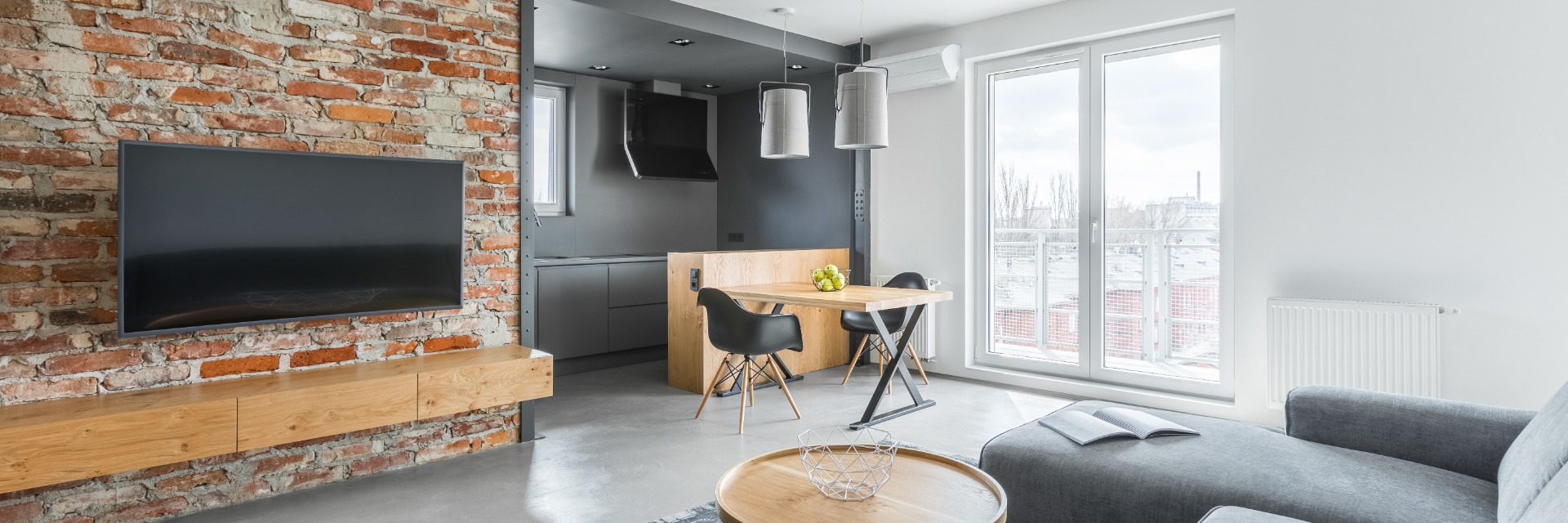
This is the most common type of special arrangement in living rooms and larger living areas with lots of corners. Furniture and objects are arranged to create "islands" of focal points in appropriate areas so that a balance of equal attraction is created visually throughout the room.
- Symmetrical
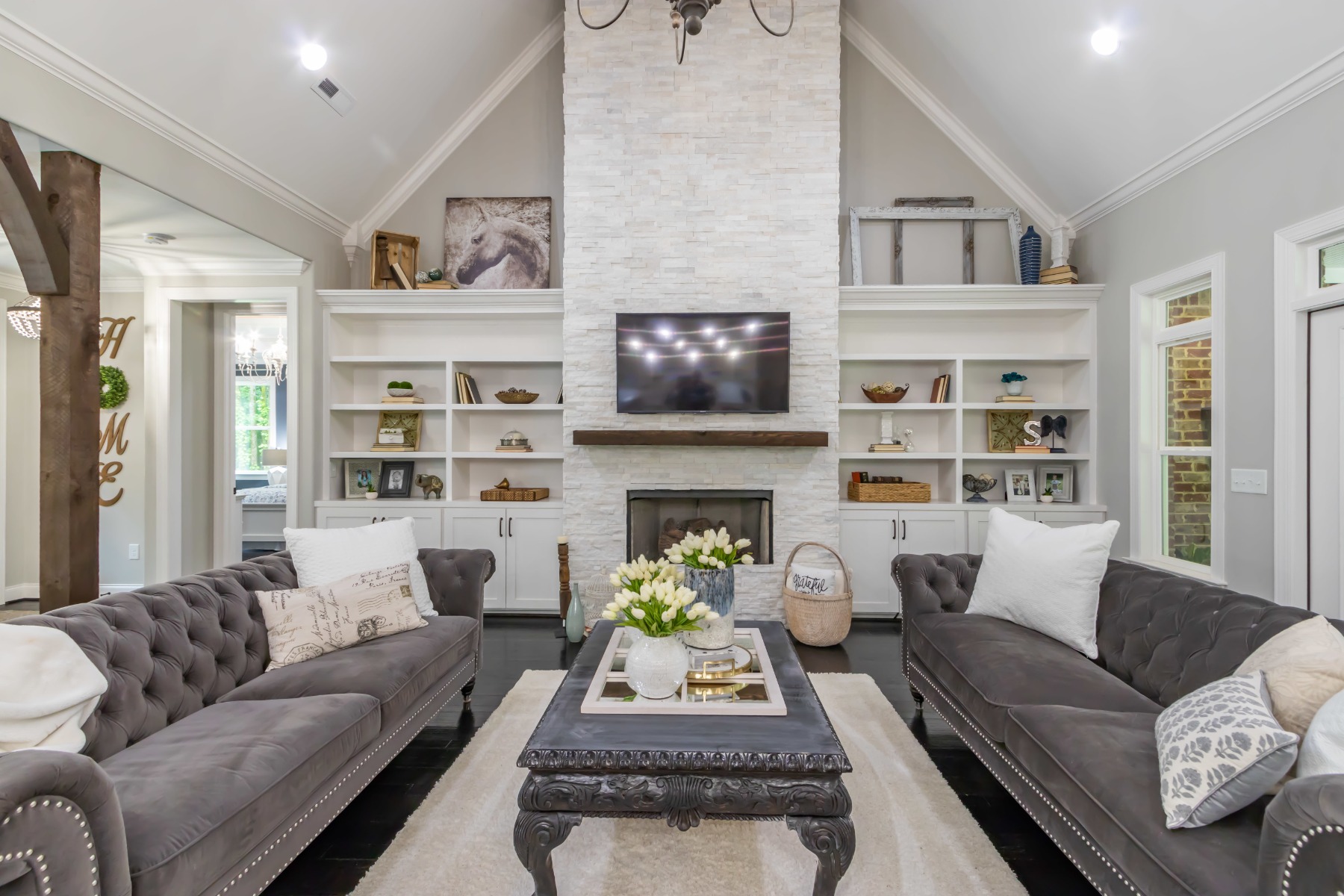
This is usually used in more formal areas, to create harmony e.g. in bedroom design where double beds are featured, or to create a more elegant feel in larger lounge and dining areas. Objects and furniture are arranged in pairs or in parallel placements so that both sides of the room mirror each other.
- Radial
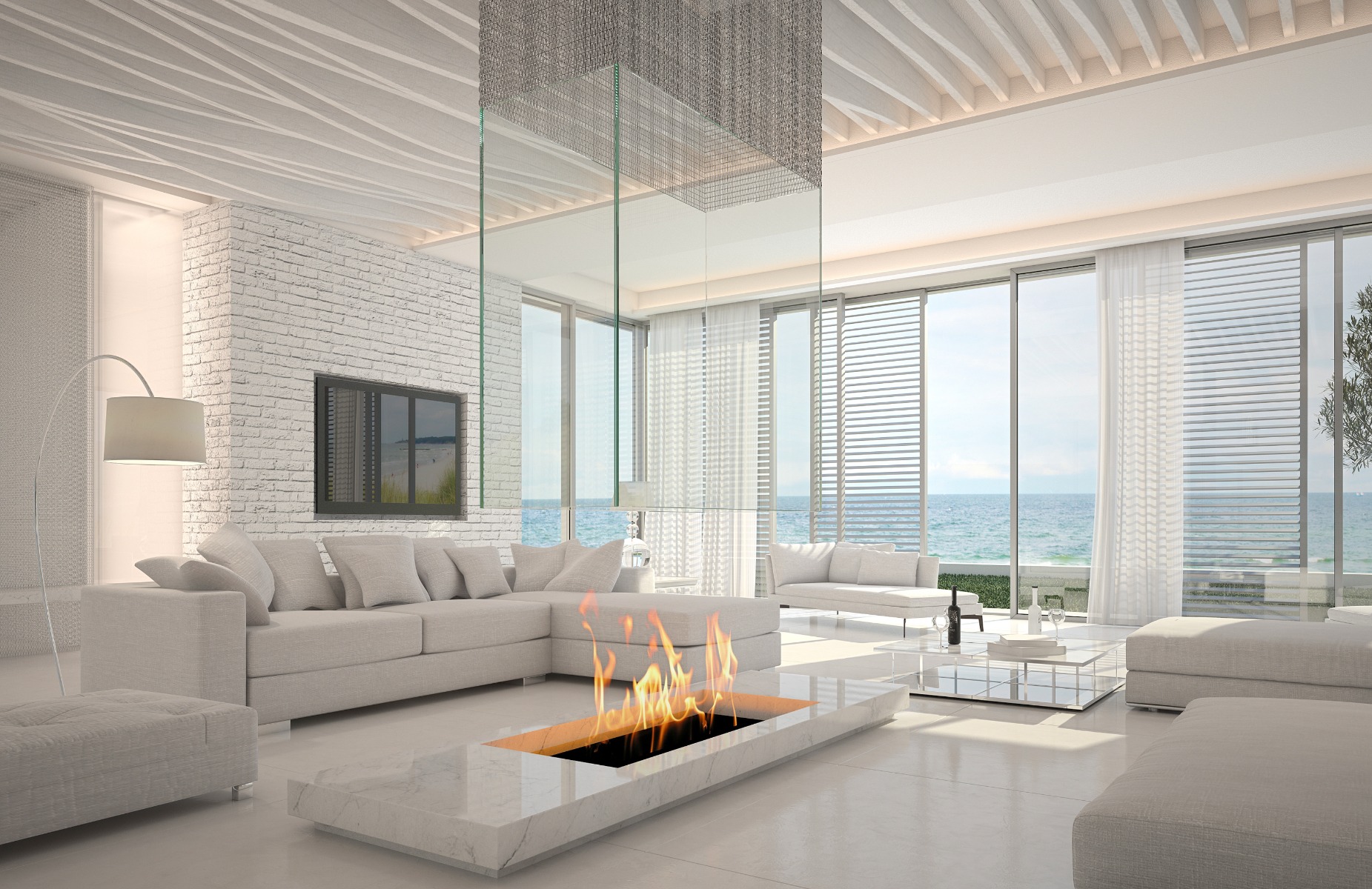
This is perfect for living rooms, bedrooms, dining rooms and kitchens where there is a large central focal point in the room such as a large unique piece of furniture or décor piece, or architectural feature such as a fireplace. All the objects, furniture and décor is arranged around the centre focal point.
- Bohemian focal points
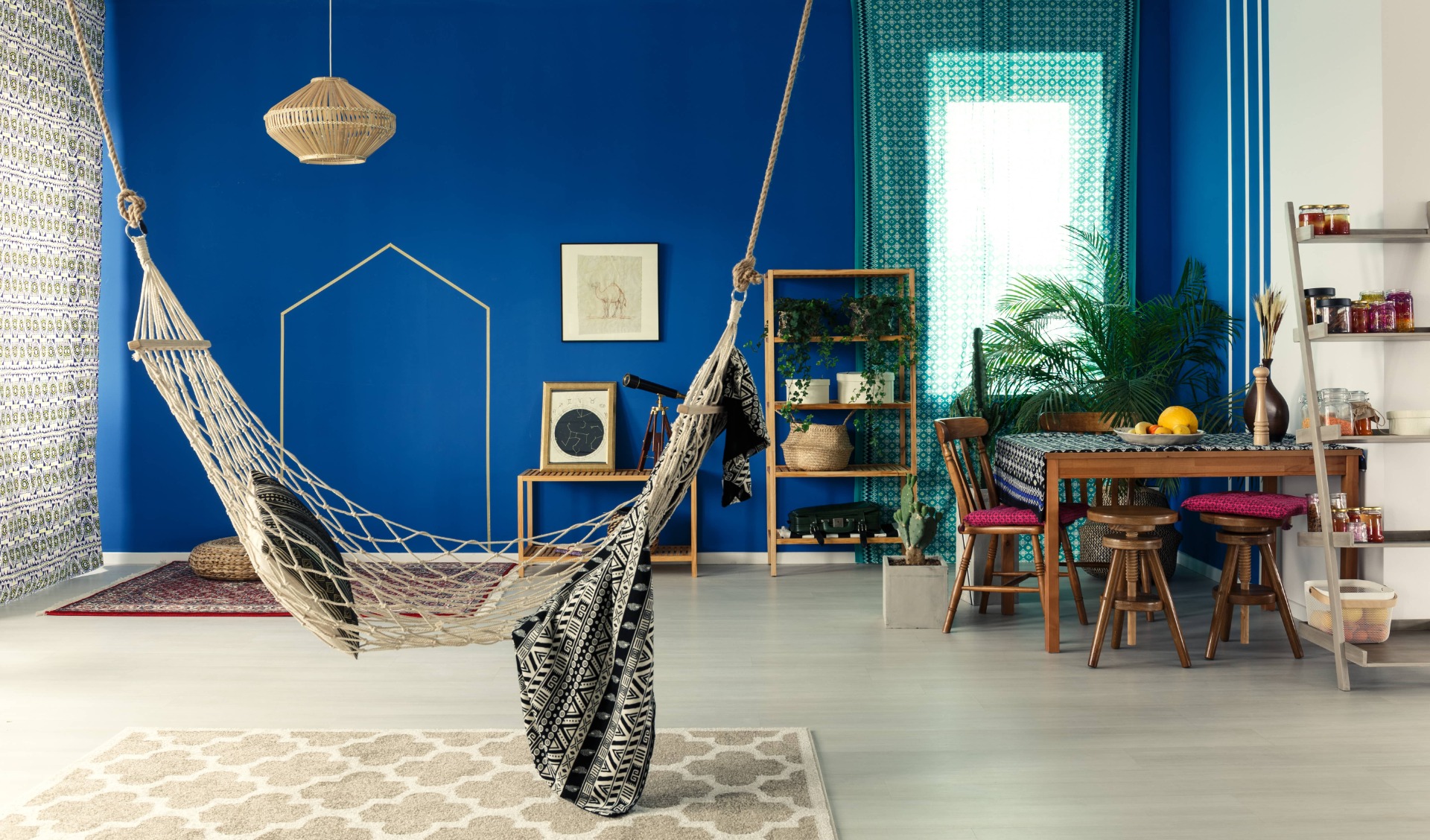
This style of arranging works best with large open-plan areas that cater for two or more different types of rooms that lead into one another e.g. open-plan kitchen or dining room leading into the lounge. Here the focal points are gathered in appropriate corners so that "islands" are created, especially with the purpose of creating fake "walls" or dividers that create lots of cosy corners with seemingly scattered décor. When done correctly, this approach can work magic with a large space and transform the entire floorspace of a house - but be wary as it can also quickly come across as messy and ill-planned.
2. Create a vision
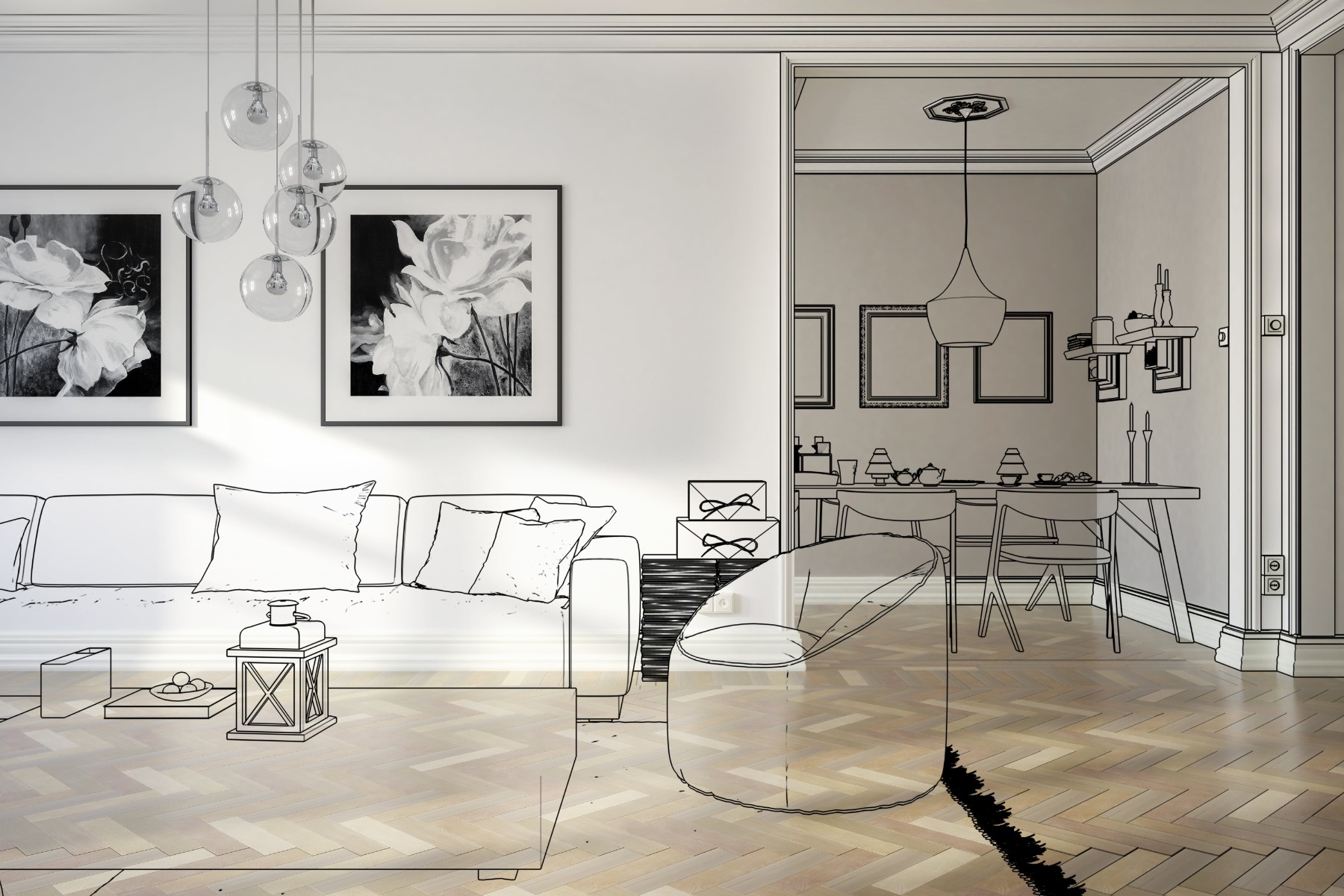
This is where the consideration for paint colours, flooring options, lighting, decor and furniture comes in. Interior designers refer to the story of a room, which translates into interior design principles which we’ll get to in a moment. Consider what “story” you want the room to tell. Through balance, progression, colour scheme and ultimate purpose, what feeling is the room going to convey to visitors and the people who will be using it every day?
3. Get the best quality materials where possible
When it comes to the materials, going natural is a big bonus in most cases, as furniture that is made from natural materials tends to last longer when well looked after. But this doesn`t mean that you need a huge budget - money doesn`t always equal quality. Instead, evaluate what materials the furniture and fixtures are made of, and what kind of usage they will have to endure. A few quality focal pieces can set the tone for a room and can be complimented with less expensive accessories. DIY flatpack assembly furniture pieces are also more affordable than pre-assembled pieces of similar quality.
Luckily at BUCO, you don`t have to break the bank to get the best quality materials like PVA and enamel paints, indoor lighting solutions, wood treatments for furniture, doors, and so much more. Because quality counts, even in small amounts.
4. Set goals for each decorative element
Rather than being swamped by all the possibilities, ask yourself “What is the goal of this corner/element/area?” and let that be the deciding factor for the choice of colour, finish, décor, furniture, etc.
5. Do one thing to the design of the room that “makes you feel good”
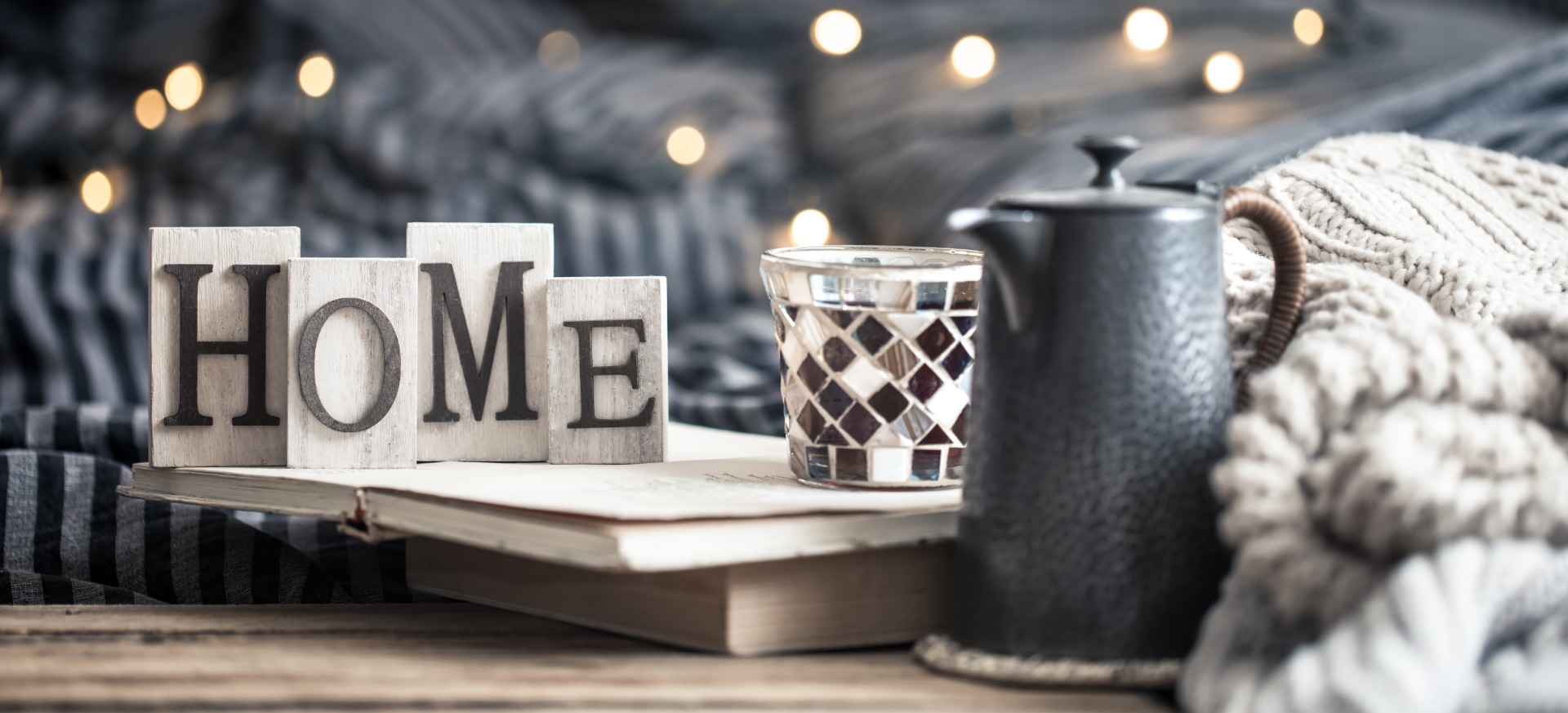
Once a total design plan has been laid out, and materials and furniture have been chosen, opt for really making the room your own. Be authentic, choose one single element that simply speaks to you, even if it seems out of place at first. One unique thing that you would like to see, no matter the design principles. It can be the slightest adjustment, such as a vase or a rug.
6. Consider negative space
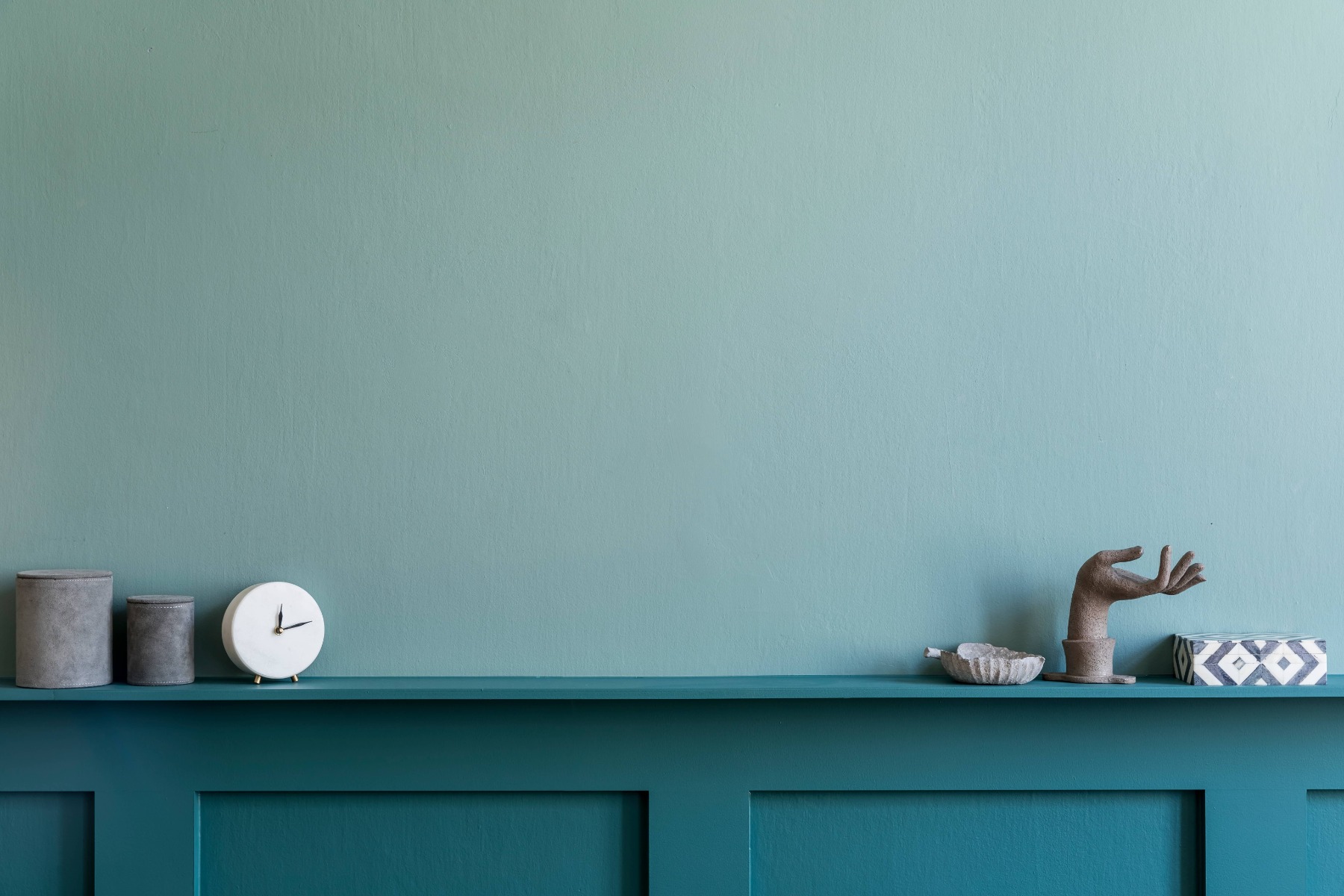
If nothing “works” for you in an area, will it not look better if it`s left with what designers refer to as "breathing space"? Sometimes “less is more”, meaning that it might be a good idea to leave the space uncluttered and open. This is where a coloured feature wall can bind a room together to enhance the harmony without the clutter.
7. Don’t be afraid to edit and experiment
Add or remove elements as necessary to accommodate the most out of the space. The initial vision might not always consider the flow of the space once done, so it’s okay to “edit” your design until it’s just right. Luckily, BUCO has your DIY home design needs covered. Whether your interior space needs a fresh coat of paint or a touch up of the electrical fixtures, doors and plumbing, or if you’d like to create your own DIY décor for a more personalised home, we’ve got everything you need.
In the meantime, take a look at our Instagram page for a host of other bright project posts and DIY ideas, RIGHT HERE.