

Construction Safety Tips
Nothing gives greater satisfaction than a job well done, especially when you`ve done it yourself. Whether you’re a building professional or an avid BIYer (Build It Yourself enthusiast) – site safety should always be top priority. In this article, we're going to show you all the safety tips and essentials you need to know to do DIY home construction safely.
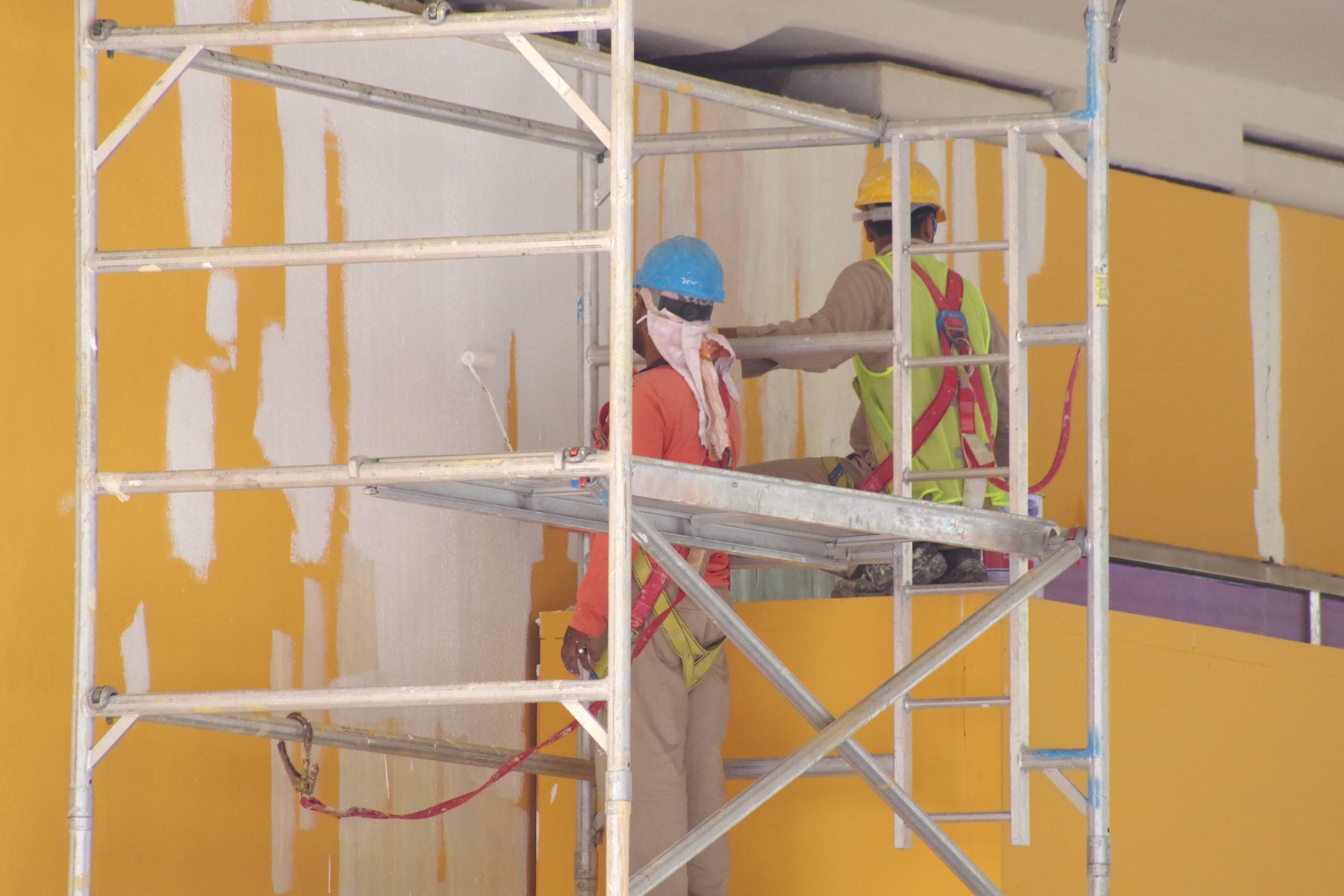
SOME SAFETY IN NUMBERS, TO START:
- 50% of construction workers will suffer a serious eye injury during their career.
- 25% of all serious working environment accidents involve the hands and fingers.
- 84% of those who sustain a head injury while working are not wearing head protection.
- 60% risk is reduced instantly, by wearing protective gloves.
WHAT PPE DO I NEED TO DO DIY CONSTRUCTION PROJECTS AT HOME?
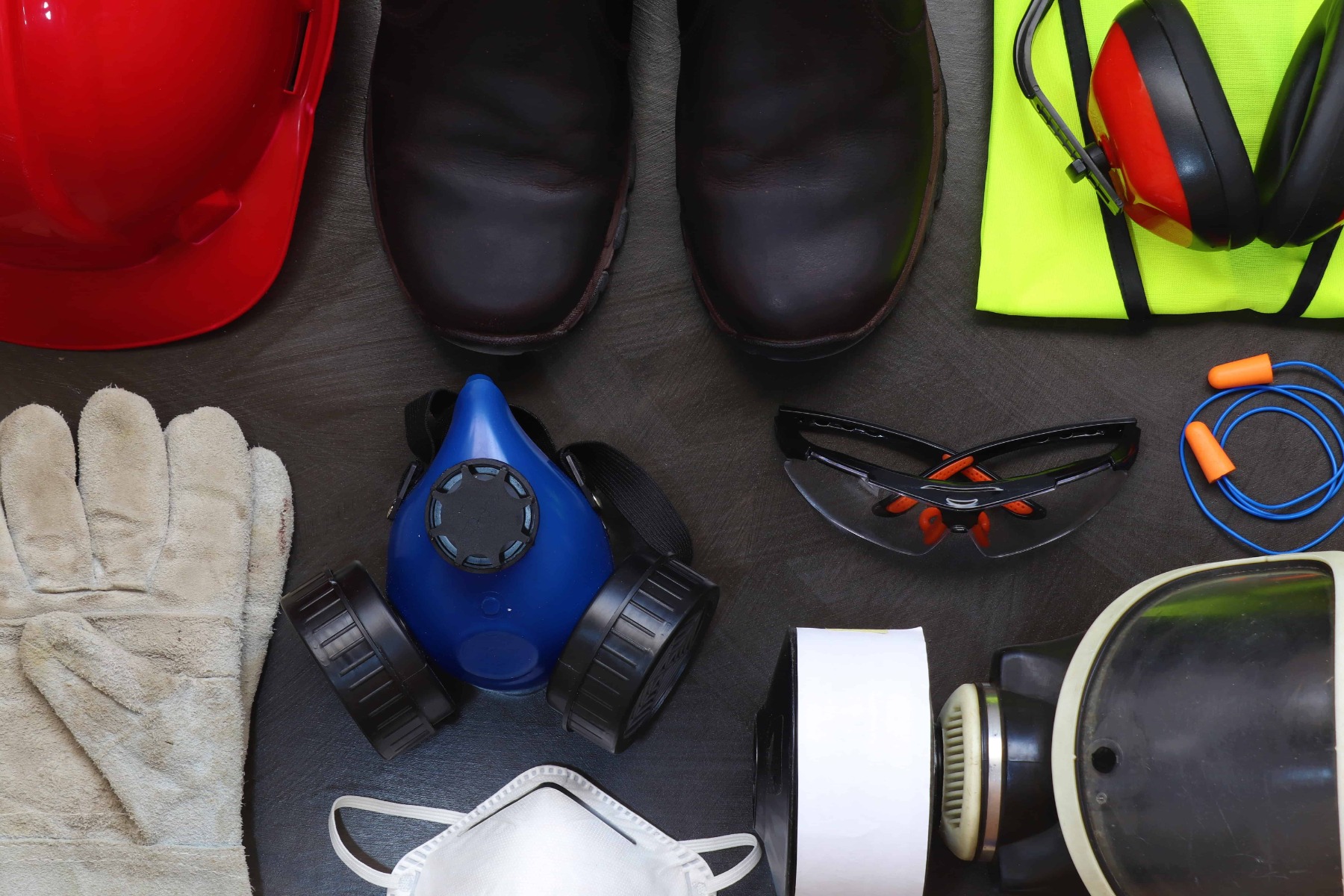
The answer to safety is simple – when in doubt, over-prepare for safety. It is also important to note that even though you’re wearing personal protective equipment (PPE), you should exercise caution wherever possible. PPE will not always protect you from serious cuts, falls or chemical burns. Always stay focused while working, and practise caution.
While preparing your perfect PPE kit, you should include:
- Hard hat - Head protection during projects should be your prime prerogative. Don`t apply stickers to the hard hat or leave it in the back of the car in the sun, as this will compromise the integrity of the hard hat over time and lead to cracks and warps. Always inspect it for cracks or dents before using.
SHOP hard hats HERE
- Safety Goggles
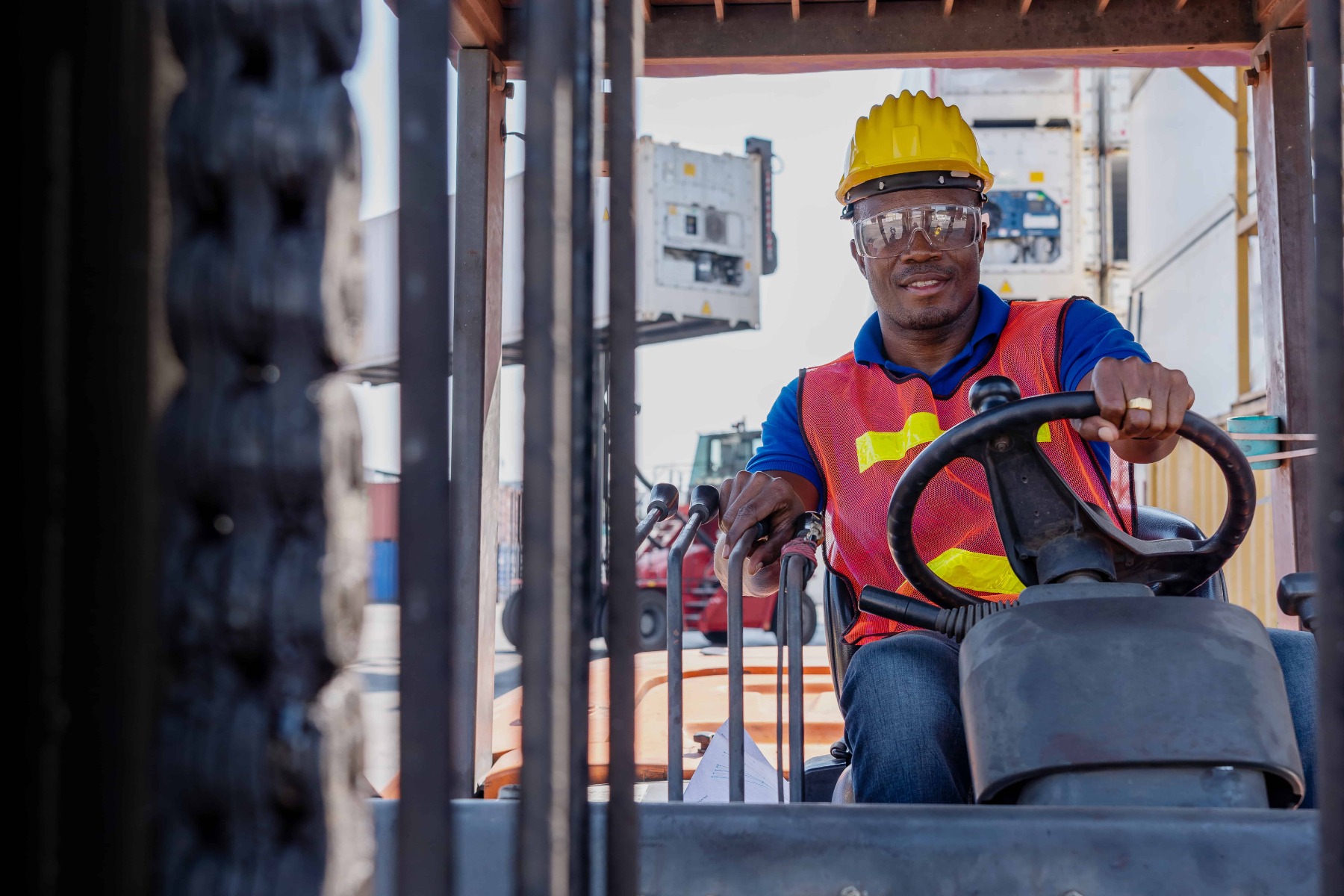
This protects your eyes from dust, debris and chemicals while working. Most safety goggles are designed to be able to wear over prescription glasses, if necessary. Always ensure they fit snugly around the forehead and cheek area before using.
SHOP safety goggles HERE
- Face Shield - This will protect your facial area from any tools for work that produces metal grinding or sparks. Always check your face shield for cracks or breaks, and ensure it is kept clean, so vision is clear once it is being worn. You should also be wearing safety glasses/goggles under the face shield for extra protection. It is recommended to store your face shields and safety goggles in sealed storage bags when not in use.
SHOP Head & Face Protection HERE
- Earplugs
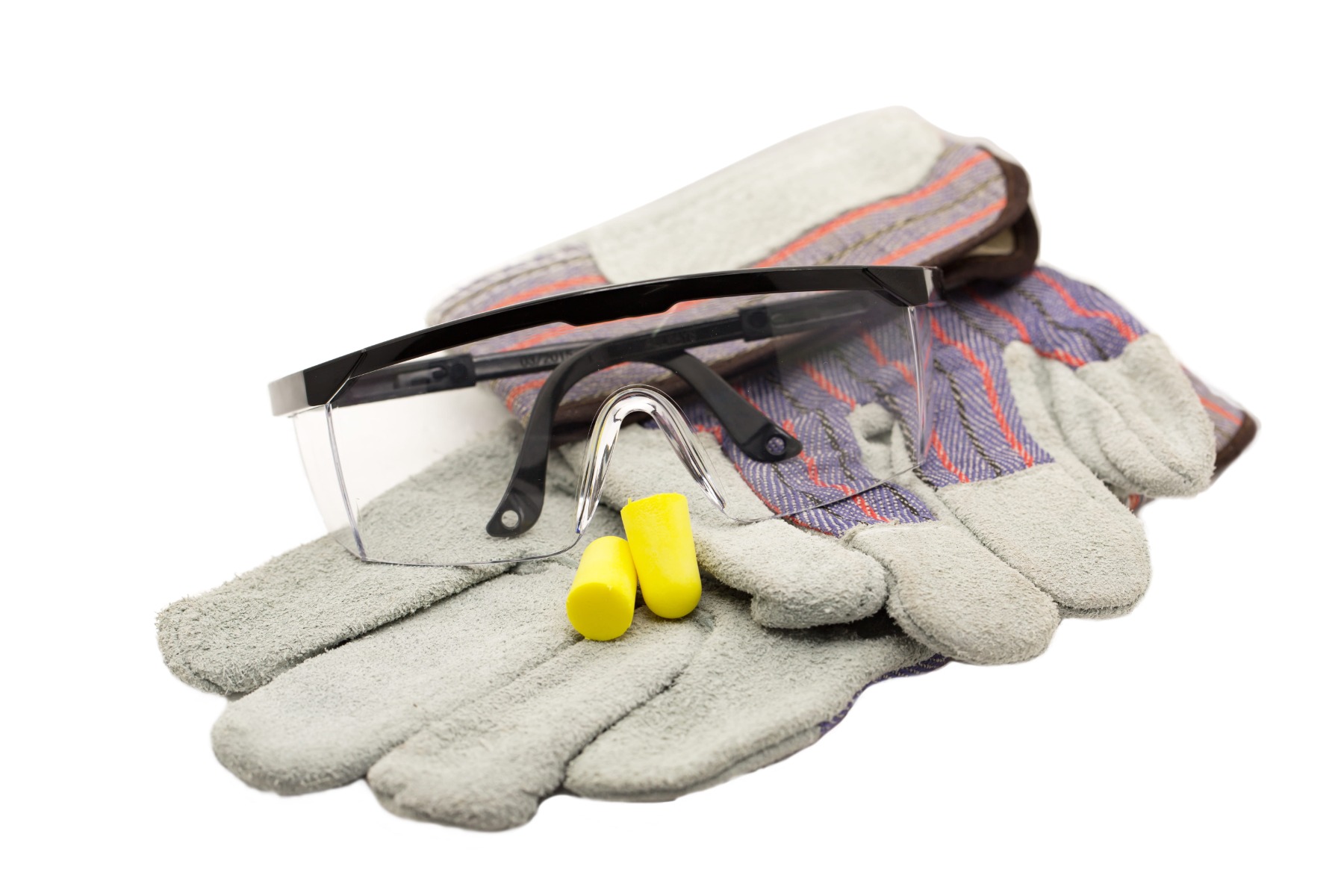
Your ears can pick up major damage from loud environments over time, especially if you are working in a smaller space where the sound is more condensed. The loudest sound environment you should be working in is at 85 decibels – roughly the same loudness as a running dishwasher. Anything louder than that requires constant protection to prevent major damage to your eardrums and canals.
SHOP ear plugs HERE
- Safety Gloves - From coated fabric gloves to leather and rubber gloves, to welding gloves - every glove has its purpose. Ensure you have the correct glove for the job, and always check your gloves or any tears, punctures or deficiencies before using them. Always ensure they fit snugly with no extra space at the end of the fingertips.
SHOP hands protection HERE
- Safety boots
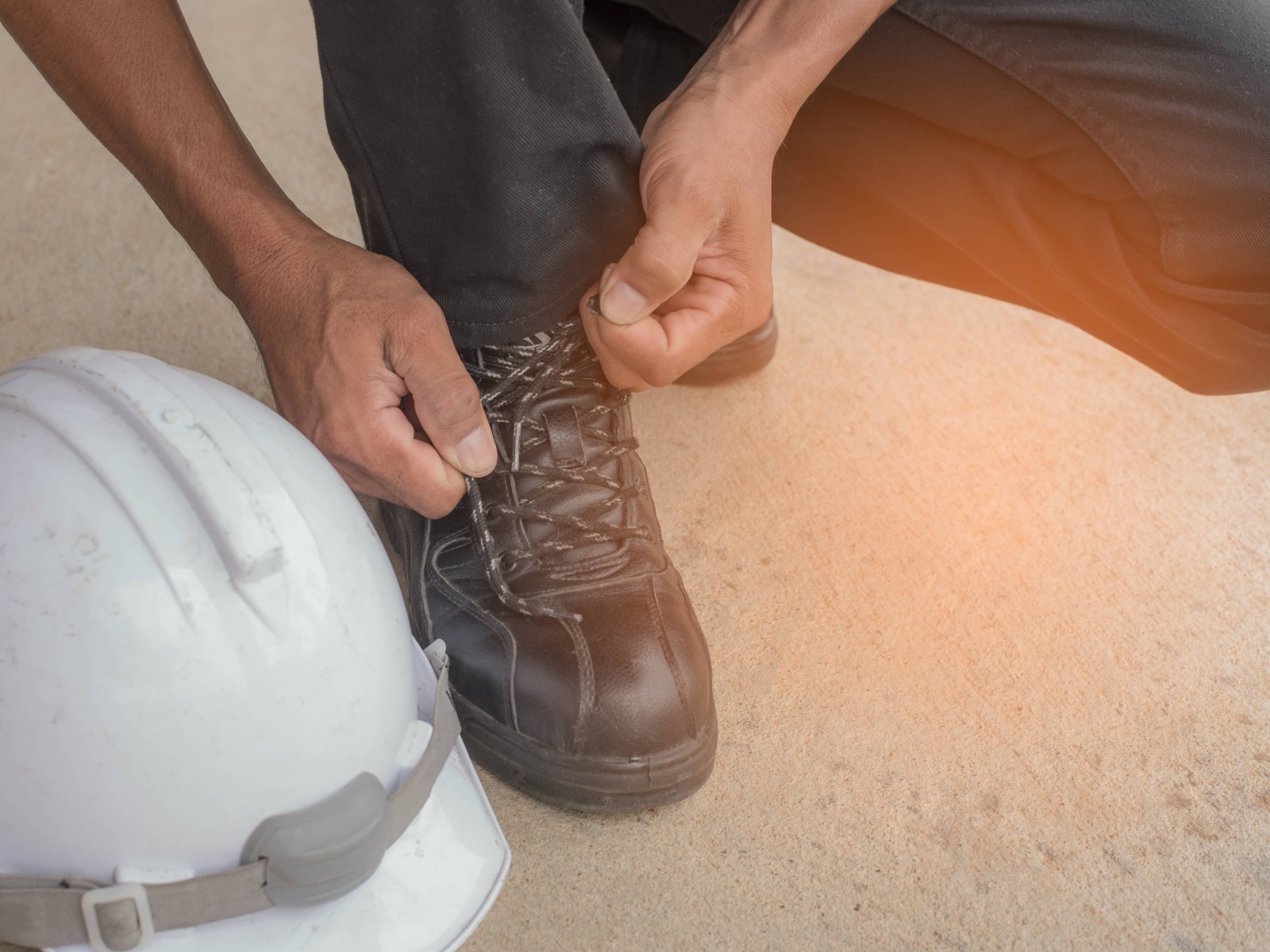
Proper work boots with steel-capped toes not only keep your feet safe from heavy falling objects during work, they also have slip-resistant soles to stop you from sliding and falling.
SHOP footwear HERE
- Work overall - Keep yourself safe from loose-hanging clothing that can cause problems or from ruining your clothes by wearing a protective overall, especially in jobs involving lots of solvents, chemicals, coatings and paints.
SHOP body protection HERE
- Fire Extinguisher - It`s a good idea to keep a fire extinguisher at every entry point of your workspace, or as close at hand as possible so that it can be grabbed easily during a fire emergency.
SHOP fire extinguishers HERE
- First Aid Kit

It is advisable to introduce yourself to basic First Aid methods and practices, as well as keeping a well-stocked and updated kit nearby, should an unfortunate accident occur.
SHOP basic first aid kits HERE
Any good first aid kit should contain the below items, so when you buy a basic kit, make sure that you add the relevant items:
- Contents list (To be checked and restocked regularly)
- Small, Medium & Large sterile gauze dressings
- Bandages (individually-wrapped)
- Safety pins
- Sterile eye pads
- Plasters
- Wipes / Cotton buds
- Adhesive Tape
- Disposable nitrile gloves
- Finger dressings
- Alcohol-free cleansing wipes
- Burn dressing
- Distilled water, for cleaning wounds
- Tweezers
- Scissors
MAKE YOUR WORK ENVIRONMENT SAFE:

- CHECK THE WEATHER
You don`t want to go climbing up on the roof for repairs if it looks like it might rain. Rather plan the work for when the weather is clear than try to rush a job or leave it unfinished. Shoddy roof work can lead to even greater expenses in the long run. You should also refrain from working with power tools in damp conditions. - ASSESS YOUR SITE
Keep your work area clean and tidy. Not only does this make the project go more efficiently when you can easily find everything you are looking for, and account for any missing tools or bits during the process, it also clears the floor space so there are no tripping hazards about such as wires, building debris, tools, or other objects you can trip over.
- BE CAREFUL OF CHEMICALS & GASSES
- Always contract in a professional to do work on gas pipes. You can however easily check for a gas leak yourself by spraying a dishwashing liquid solution on the pipe and watching for any bubbles that form.
- Keep chemical-soaked rags in metal containers. Using chemicals like ammonia and bleach can give off noxious fumes that can have devastating effects such as spontaneous combustion, under the wrong circumstances.
STEPS TO SAFE LADDER USAGE
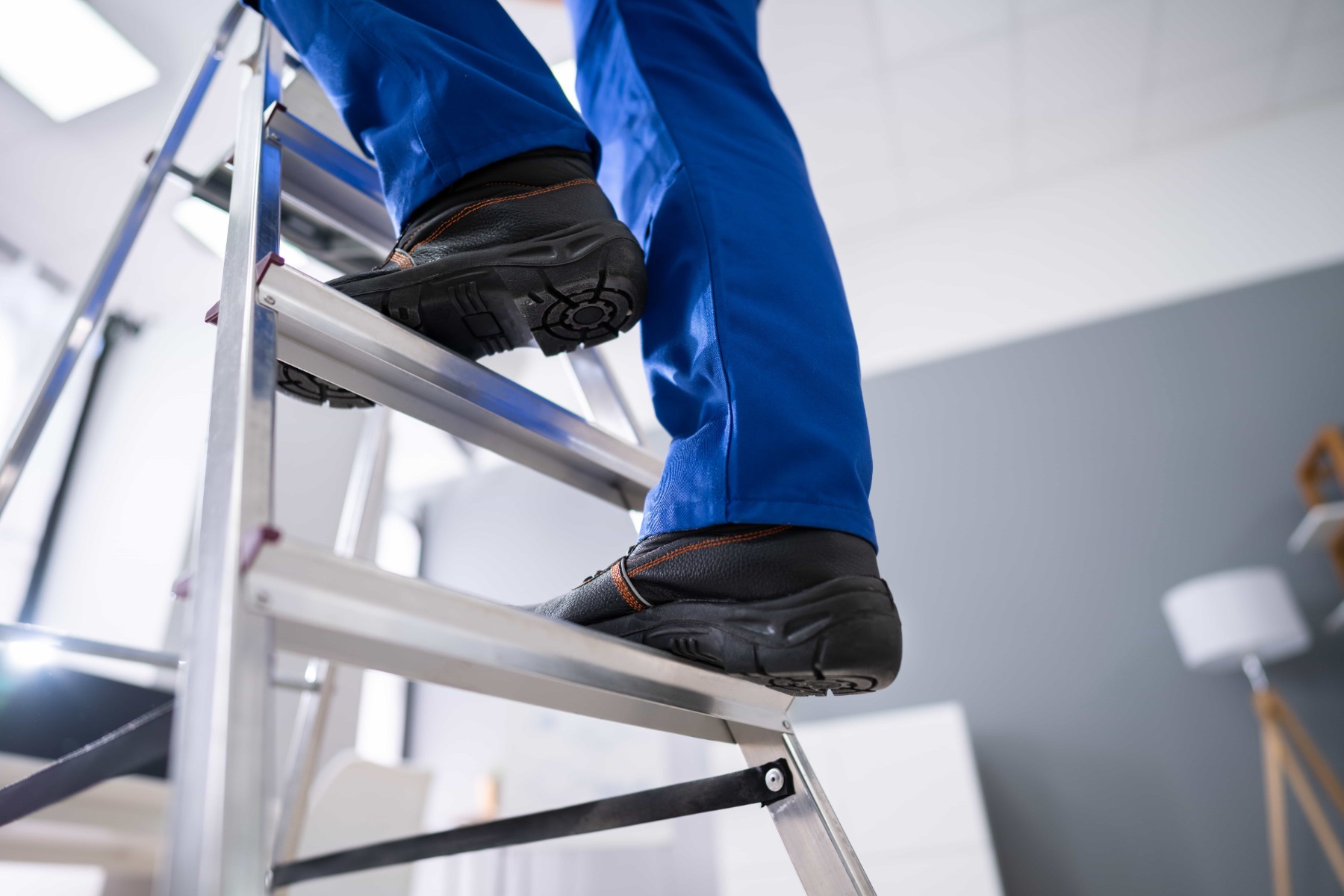
BEFORE GOING UP, THERE SHOULD BE SAFETY EVERY STEP OF THE WAY:
- The ladder should be long enough. If you need to stretch or the ladder needs to be put onto something else to make it higher, then you really need a longer ladder instead – NEVER stack a ladder onto another surface.
- Always ensure all the rungs are on tightly before climbing on, as these can possibly slip out over time or be compromised with cracks, especially on older wooden ladders.
- Never stand on the very top rung of the ladder.
- Always ensure all your ladders feet plant firmly on the ground - never climb a ladder that isn’t steady.
- Ideally, someone should be by holding the ladder at the bottom, just in case.
- When working in an area with branches, watch out for backswinging branches that you move out the way – they could easily knock you and the ladder over.
- For every 1,2m meters of ladder length, it should be placed approximately 30cm from the wall. So, for instance, a 5-metre ladder should be placed 1,2 meters from the wall, to ensure a safe angle.
SHOP ladders HERE
POWER TOOL SAFETY TIPS:
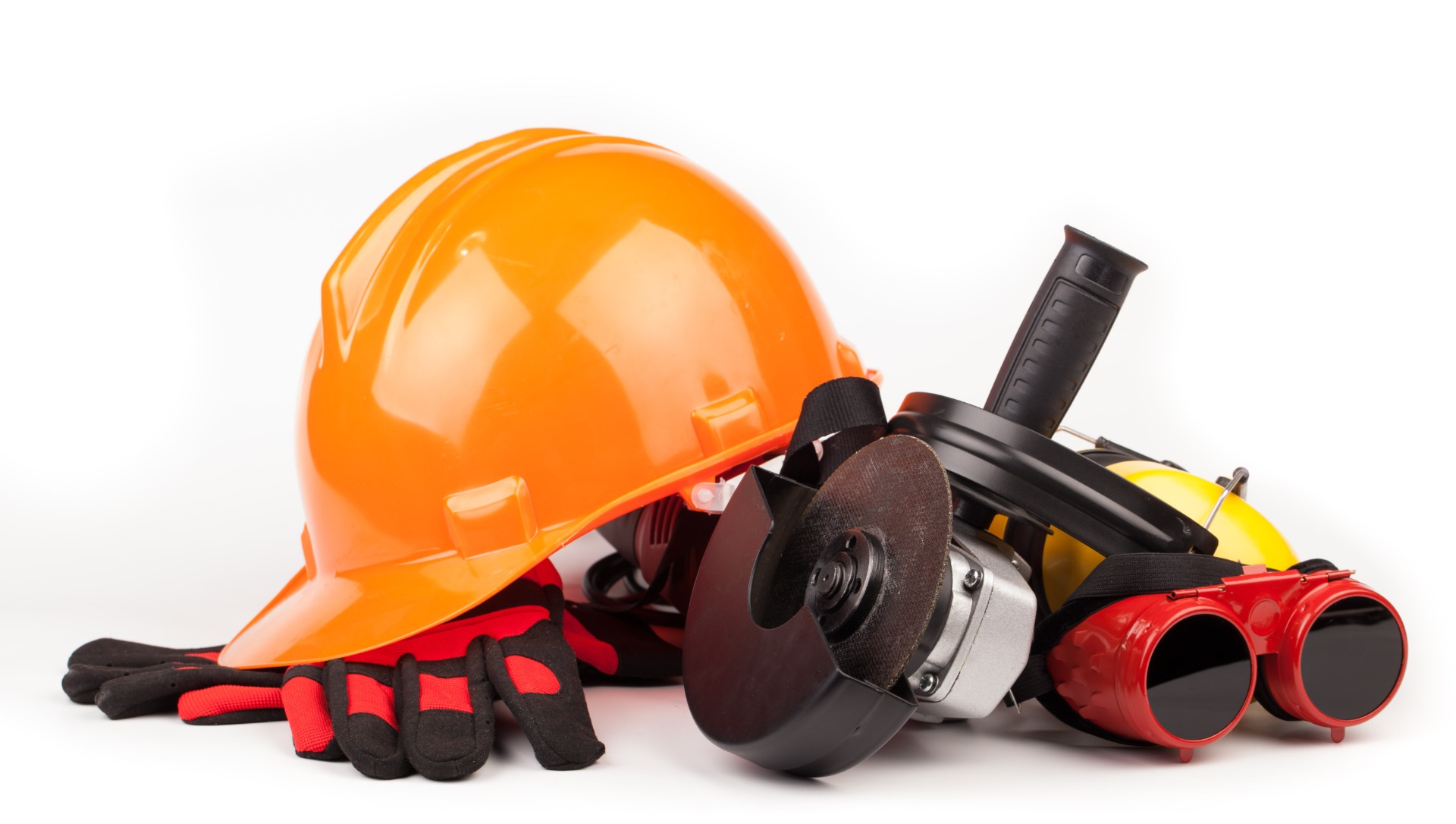
- Always check the condition of all your power tools before beginning a new job. No matter how new the tools are, dust and residue can still build up if they are kept in an unsealed environment. Better safe than sorry.
- Always keep your drill bits, blades and cutters sharp. Dull tools can damage the surface of the project you’re working on, and are also a safety hazard.
- Avoid loose-fitting clothing around power tools – it could get caught, damage your tools, your clothing, and put you at risk of injury.
- Ensure the longevity of your tools by storing them safely and never picking them up by the cords.
- When using a nail gun, rather set it to safer sequential-fire mode, so it doesn`t accidentally go off and hurt someone.
MAKE IT PERSONAL:
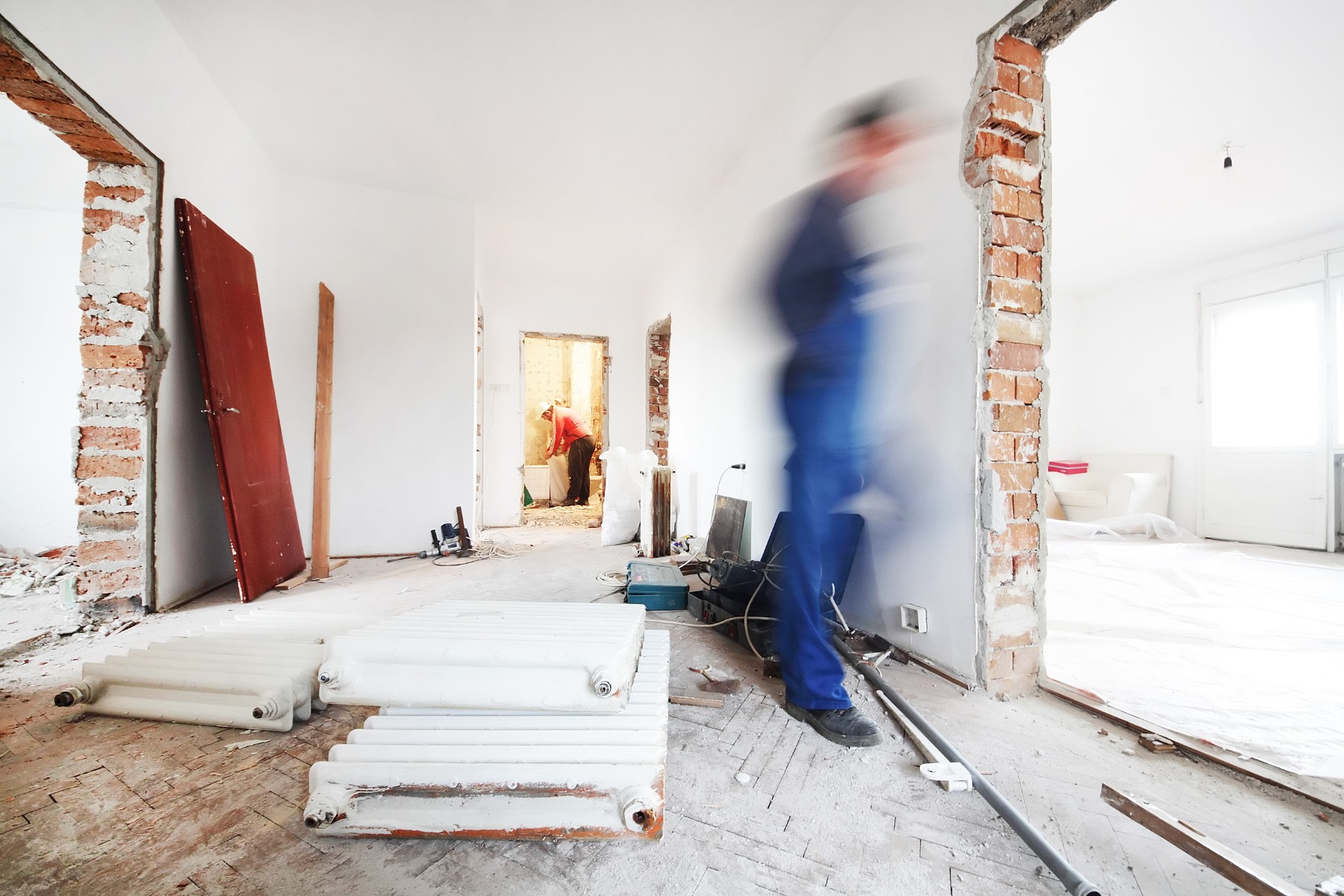
- KNOW YOUR LIMITS
Assess whether you need a specialist for the job, or if you are truly up to the task. Keep the future of your home in consideration - do you want to resell someday, and require professional work to be done? Make sure you plan for any unforeseen circumstances or obstacles - DO YOUR RESEARCH
Each project, no matter what size, requires unique tools and skills to get the job done properly and safely. Research the project online, and come and chat to our in-store experts for advice. Know how to dispose of chemical-soaked rags, empty containers, chemicals, etc. after the job is complete, and find out about your local disposal units. Always read the instructions on tools and materials before using it for the first time - these are there for a reason, and will ensure your project safety and efficiency. - BE PREPARED & CONSIDER OTHERS
Always be considerate to others that may live with or around you, before commencing with your construction. If you live in a tightlypopulated community, such as a townhouse complex, apartment, etc. you will need to give notice of what you will be up to, so others can expect a disruption of their close environment for a short while. Major construction and structural changes to buildings must be approved by your local council. Look around for any pets or animals that might be able to come into contact with your work area, and seal them off from it as best as possible to prevent any nasty accidents.
Luckily, BUCO is here to assist you with all your DIY construction needs, from the right tools and advice at the best price, to the highest quality PPE to ensure you get the job done right.
Let’s Build Together, Safely.
RELATED ARTICLE: Scaffolding safety tips & hints